

Tooth preparation is a cornerstone of dental practice, essential for procedures ranging from fillings to crowns and bridges. For aspiring dentists, mastering this skill is crucial for their future careers. One of the most effective ways to learn tooth preparation is through the use of simulation models. These models offer a realistic and safe environment for students to practice and refine their skills.
Tooth preparation models are designed to replicate the structure and properties of real teeth. They allow students to practice various preparation techniques without the pressure of working on actual patients. These models are typically made from materials that closely resemble the hardness and texture of natural teeth, providing a realistic experience.
Using tooth preparation models, students can experiment with different techniques and tools, including diamond burs. This hands-on practice is invaluable for understanding the nuances of tooth anatomy and the importance of precise tooth reduction.
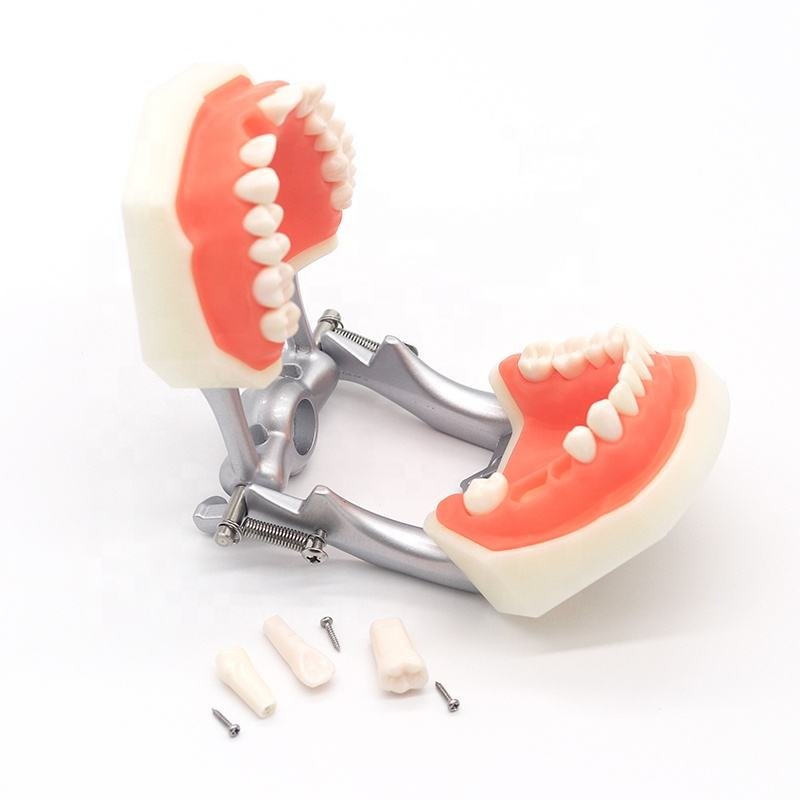
Diamond burs are indispensable tools in tooth preparation. They are used to remove tooth structure efficiently and precisely. The use of diamond burs in tooth preparation models helps students understand the intricacies of tooth anatomy and the importance of precise tooth reduction.
Diamond burs come in various shapes, each designed for specific tasks. Here’s a table summarizing the most common shapes and their uses:
| Shape | Purpose |
|---|---|
| Inverted Cone | Creating undercuts and accessing hard-to-reach areas |
| Round | General reduction and smoothing of tooth structure |
| Wheel | Cutting and shaping the tooth |
| Cylinder | Creating flat surfaces and smoothing |
| Taper | Creating taper in tooth preparation |
| Football | Shaping and smoothing the tooth surface |
| Flame | Detailed work and creating specific shapes |
| Needle | Fine detailing and precise cuts |
| Pear | Shaping and smoothing the tooth surface |
| Torpedo | Shaping and smoothing the tooth surface |
Practicing with tooth preparation models allows students to gain confidence and proficiency in using diamond burs. This hands-on experience is invaluable as it helps students understand the tactile feedback and visual cues associated with different types of tooth preparation.
Here are some practical tips for using diamond burs effectively:
When it comes to handpieces, students have the option of using air turbine handpieces or electric handpieces. Air turbine handpieces are lightweight and offer high speed, making them suitable for quick and efficient tooth preparation. Electric handpieces, on the other hand, provide consistent torque and speed, which is beneficial for detailed and precise work.
Here’s a brief comparison of the two options:
| Handpiece Type | Advantages | Disadvantages |
|---|---|---|
| Air Turbine | Lightweight, high speed | Less torque, can be noisy |
| Electric | Consistent torque and speed, quieter | Heavier, more expensive |
In conclusion, tooth preparation models and diamond burs are indispensable tools in dental education. They provide students with the opportunity to practice and perfect their skills in a controlled environment. By mastering the use of diamond burs and understanding the different handpiece options, students can build a strong foundation for their future dental practice.
The journey of mastering tooth preparation is a continuous learning process. With the right tools and consistent practice, dental students can develop the skills and confidence needed to excel in their careers. Diamond burs play a crucial role in this journey, helping students understand the complexities of tooth anatomy and the importance of precise tooth reduction.
By incorporating tooth preparation models and diamond burs into their training, aspiring dentists can gain the hands-on experience necessary to become proficient and confident practitioners.